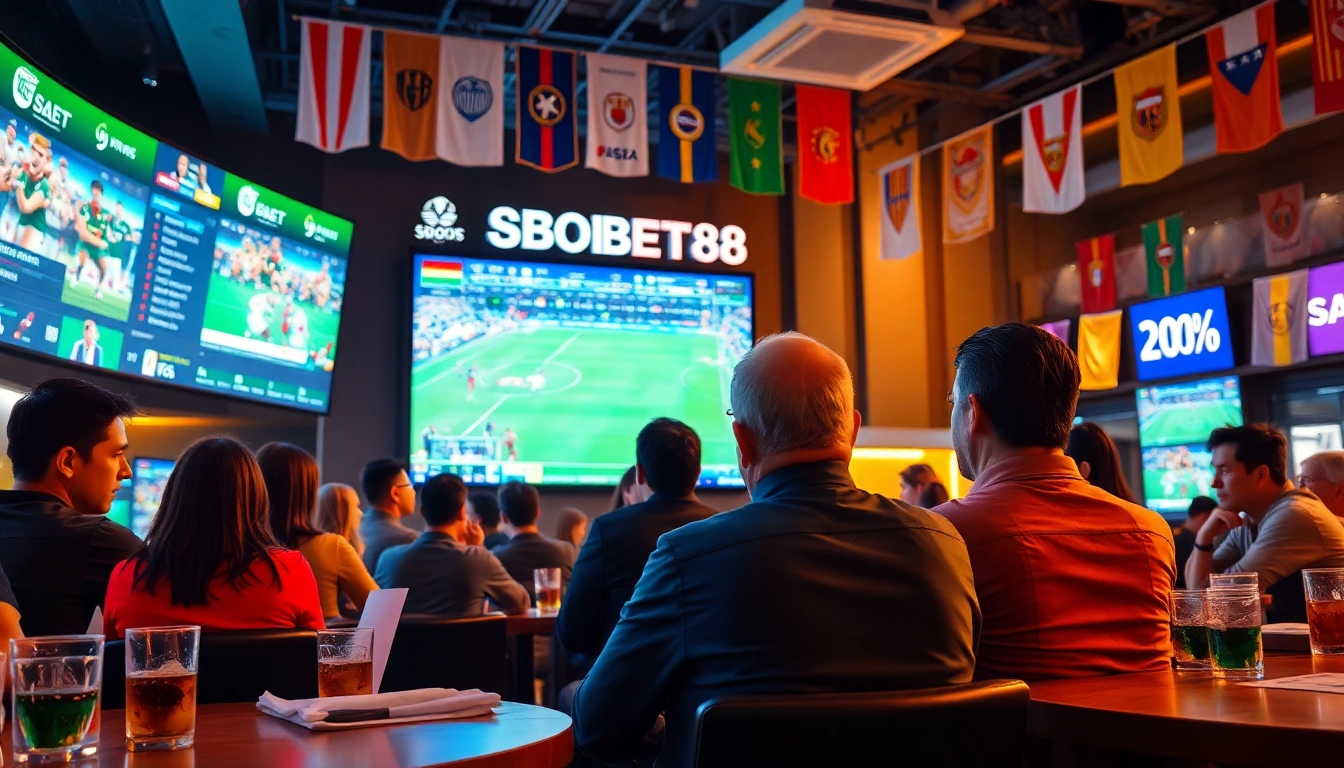
Understanding the Basics of Sports Broadcasting
Definition and Importance of Sports Broadcasting
Sports broadcasting is the transmission of live or recorded sports events via different media channels, including television, radio, and the internet. It plays a vital role in connecting fans with their favorite sports and athletes, providing them with live updates and detailed analyses. Moreover, its significance extends beyond mere entertainment; it contributes significantly to sports marketing, fan engagement, and overall revenue generation for various sporting organizations. In today’s digital age, Sports Broadcasting has evolved into a multifaceted discipline that merges technology, creative storytelling, and analytics.
The Evolution of Sports Broadcasting
Sports broadcasting has undergone a remarkable transformation since its inception, dating back to the early 20th century. Initially, radio broadcasts allowed fans to follow their favorite teams via live commentary. The landmark moment of televised sports events occurred in the mid-1930s, revolutionizing viewer engagement. Over the decades, advances in technology introduced high-definition broadcasts, multiple camera angles, and instant replay, enhancing viewer experience. In the 21st century, the emergence of the internet and streaming platforms has pushed the boundaries further, allowing fans to watch games anytime and anywhere, thus reshaping the industry. These changes also opened new revenue streams through pay-per-view models and subscription services.
Key Roles in Sports Broadcasting
A successful sports broadcasting team comprises various professionals, each with their unique skills and responsibilities. The key roles include:
- Commentators: They provide play-by-play narration of events, offering insights and color commentary that enrich the viewing experience.
- Producers: Responsible for the overall production, they coordinate all elements of the broadcast, ensuring seamless execution.
- Camera Operators: They capture the action from various angles, using high-tech cameras to enhance the visual experience.
- Audio Engineers: They ensure the quality of sound, from commentators to crowd noise, creating a realistic atmosphere for viewers.
- Graphics and Animation Teams: They are responsible for creating engaging visuals that accompany the broadcast, including scoreboards and player stats.
Essential Equipment for Sports Broadcasting
Broadcasting Tools and Technologies
To successfully deliver a sports broadcast, teams must invest in cutting-edge tools and technologies. Broadcast software allows for real-time editing and graphics integration, while video switchers enable operators to control multiple camera feeds simultaneously. Satellite and fiber optics technology ensures high-quality transmission over long distances. Furthermore, the use of Augmented Reality (AR) and Virtual Reality (VR) is gaining traction, providing audiences with immersive experiences that enhance viewer engagement.
Cameras and Audio Equipment
High-quality cameras play a crucial role in capturing the excitement of sports events. Multi-camera setups, including HD and 4K options, are essential for providing varied perspectives during broadcasts. Slow-motion cameras can reveal intricate details of key plays, while handheld cameras add a personal touch by getting closer to the action. On the audio side, wireless microphones are critical for capturing player and coach interactions, alongside high-fidelity microphones that enrich the stadium atmosphere.
Setting Up a Broadcast Studio
A professionally designed broadcast studio is foundational to delivering quality content. Key elements include:
- Soundproofing: Minimizing external noise is crucial to maintain audio clarity.
- Lighting: Proper lighting enhances video quality and visibility of the presenters.
- Control Room: A space equipped with monitors and equipment for video and audio control, allowing real-time adjustments.
- Set Design: Visually appealing backdrops create an engaging atmosphere for viewers.
Strategies for Engaging Sports Broadcasting
Communicating with the Audience
Effective communication is at the heart of sports broadcasting. Producers and commentators must tailor their narratives to resonate with diverse audiences. Utilizing storytelling techniques can make the events more relatable, generating emotional connections. Engaging with viewers through live polling and Q&A sessions during broadcasts enhances interaction and keeps fans invested in the content.
Analyzing Game Dynamics
Analytics play a significant role in enhancing the quality and depth of sports broadcasts. By employing data analysis tools, broadcasters can provide real-time stats, player performance metrics, and tactical insights. This analytical approach not only enriches the viewing experience but also helps viewers gain a better understanding of the game. Incorporating expert analyses and post-game breakdowns using data visuals further engages and educates the audience.
Utilizing Social Media for Interaction
Social media platforms serve as powerful tools for engagement, allowing broadcasters to build communities around their content. Live-tweeting during events and encouraging fans to share their thoughts creates a two-way conversation. Additionally, highlights and behind-the-scenes content can be shared on platforms like Instagram and TikTok, expanding the reach and reinforcing the broadcast’s brand.
Challenges in Sports Broadcasting
Dealing with Technical Issues
Technical glitches such as signal loss, equipment failure, or software malfunctions can severely disrupt broadcasts. Preparing contingency plans, including backup systems and alternate feeds, is essential for minimizing downtime. Regular training and testing of equipment help identify potential issues before they affect a live broadcast.
Maintaining Viewer Engagement
In an era of information overload, keeping viewers engaged can be challenging. Broadcasters must innovate continuously, finding unique storytelling angles or interactive segments to captivate audiences. Incorporating elements like trivia, fan competitions, or live chats can sustain interest and encourage viewer retention.
Adapting to Rapid Changes in Sports
With the sports landscape constantly changing, from rule modifications to the emergence of new sports, broadcasters must stay agile. Continuous education and adaptability to new trends are essential for remaining relevant. Fostering relationships with athletes, coaches, and organizations can provide insight into upcoming changes and audience expectations.
Measuring Success in Sports Broadcasting
Ratings and Audience Reach
Metrics such as viewership ratings and audience reach are key indicators of success in sports broadcasting. Utilizing analytics tools, broadcasters can track live views, demographic information, and engagement levels. Understanding these analytics aids in refining strategies and ensuring that content resonates with target viewers.
Feedback from Viewers
Gathering feedback from audiences through surveys and social media interactions is crucial. Constructive criticism can highlight areas for improvement and strengths to build upon. Implementing viewer suggestions enhances the content and fosters a loyal audience base.
Improving Content Based on Analytics
Data-driven insights derived from audience analytics can inform editorial decisions and content adjustments. By analyzing trends and patterns, broadcasters can create more compelling content that aligns with viewer interests and preferences. Charting success requires a commitment to continuous improvement based on data.
FAQs About Sports Broadcasting
What is sports broadcasting?
Sports broadcasting involves transmitting live or recorded sports events through various media channels, ensuring fans stay engaged with their favorite sports.
What technology is used in sports broadcasting?
Technology includes HD cameras, audio equipment, broadcasting software, and satellite transmission systems essential for delivering quality sports content.
How do broadcasters engage audiences during sports events?
Engagement tactics include live commentary, social media interaction, viewer polls, and real-time analysis to enhance viewer experience.
What are common challenges in sports broadcasting?
Common challenges include technical issues, maintaining viewer engagement, and adapting to rapid changes in sports trends and rules.
How is success measured in sports broadcasting?
Success is measured through ratings, audience reach, viewer feedback, and the ability to adapt and improve content based on analytics.